
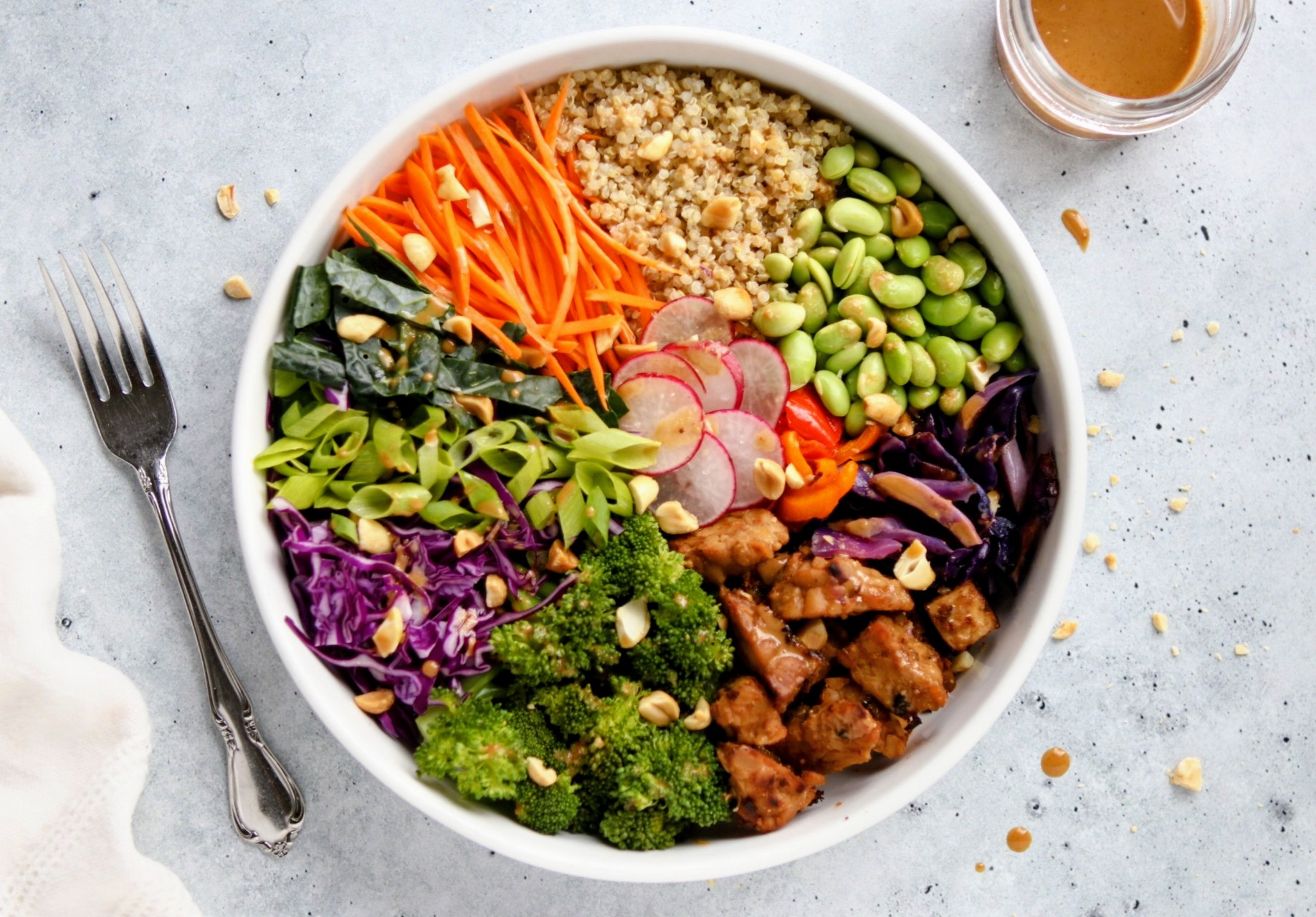
Cruciferous vegetables, like cabbage and broccoli, contain a super chemical called sulforaphane — a potent isothiocyanate (ITC) known for its anti-cancer, antioxidant, and anti-inflammatory properties.
Here’s how sulforaphane works to protect your health:
The Toxic Defense
Through billions of years of plant evolution, cruciferous vegetables have evolved a common plant defense system that uses an enzyme, called myrosinase, to convert compounds within their cell walls, called glucosinolates, into “toxic” compounds.
This conversion happens when an herbivore — like insects or us humans — starts eating the plant. The mashing of cell walls sets off a chemical reaction leading to the production of ITCs, like sulforaphane.
The Master Regulator
When these powerful phytochemicals are released into our body, they upregulate the Nrf2 pathway, the master regulator of cellular antioxidant defenses.
Stimulating this pathway protects against oxidative stress and inflammation, which is the root of all disease and dysfunction.
This is an example where a plant’s defense mechanism can also double duty as our defense against cancer cells and other harmful compounds wreaking havoc inside of our bodies.
The Gist
When you chew cruciferous veggies, they release a “defense” chemical called sulforaphane. This triggers your body’s master antioxidant system (Nrf2), protecting you from cancer and inflammation.
The Goal
To reap the health benefits of sulforaphane, eat one serving of cruciferous vegetables per day. If broccoli and cabbage aren’t your favorite, try kale, arugula, cauliflower, or Brussels sprouts.
More plants for better health❤️🩹