
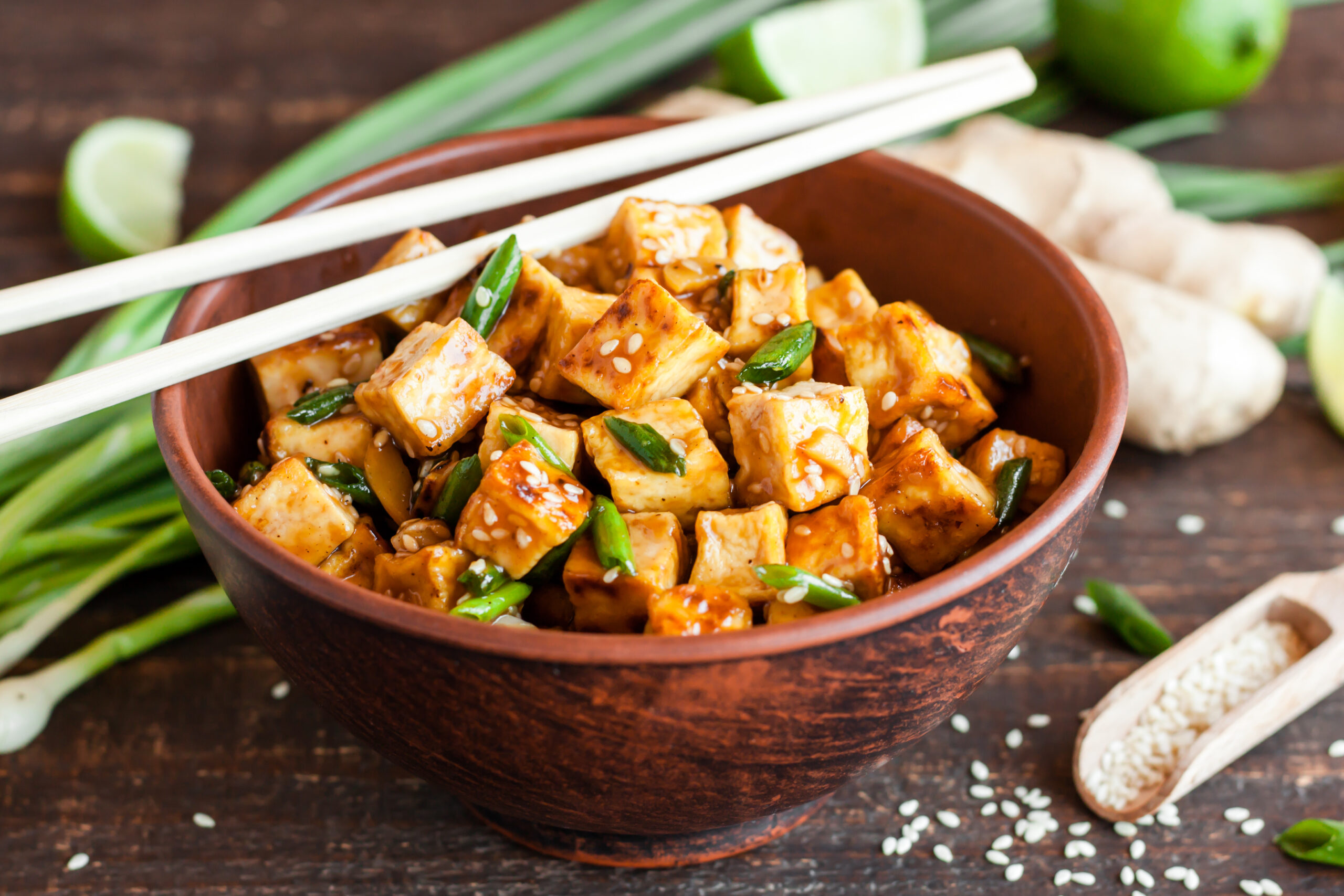
Soy gets a bad reputation because it contains phytoestrogens (isoflavones) that are structurally similar to estrogen. Though similar in structure, these compounds function differently inside of your body.
Not understanding this difference has led to many false assumptions and concerns about soy consumption.
Two common, unfounded fears about soy are that it increases cancer risk, specifically breast cancer, and causes gynecomastia (man boobs).
Extensive research has debunked these concerns, showing that a moderate intake of soy foods does not increase the risk of breast cancer (and may actually protect against it) and does not alter hormone levels in men.
These studies also provide evidence that regular consumption of soy can reduce cholesterol levels, lower blood pressure, protect bone health, and improve cognitive function.
Many of these health benefits come from the wide-ranging effects of phytoestrogens in the body.
The takeaway:
- Phytoestrogens are health-promoting compounds.
- Soy is a rich source of phytoestrogens, specifically a type called isoflavones.
- Eat more whole soy foods (e.g., soybeans, edamame, tofu, tempeh, miso, natto)



0 Comments